More Blogs

May 3, 2026
Here’s the truth about slow markets: buyers are still active, but they’re pickier. The homes that sell quickly aren’t lucky—they’re strategic. When you control your pricing, presentation, and promotion, you create the urgency that moves properties while others remain unsold.
The good news is that selling your home fast in a slow market comes down to execution. These 10 proven strategies work in challenging market conditions—from competitive pricing and curb appeal to MLS® exposure and negotiation tactics. With the right approach, you can attract qualified buyers and secure offers faster while keeping thousands more of your equity.
Take control of your sale today with ComFree and access commission-free MLS® listings plus the expert support you need to succeed.

When you define selling fast in a slow market, you’re not chasing unrealistic timelines or hoping for miracles. Fast means compressing your time-to-offer by focusing on what you can control: competitive pricing, polished presentation, maximum exposure, easy access for showings, and fast responses to inquiries. While you can’t force buyer demand, you can position your home to capture every interested buyer who does emerge.
To achieve this, expect measured buyer traffic in today’s cooler Canadian market rather than multiple offers. Your goal isn’t to match last year’s frenzy but to outperform your local competition through disciplined execution. Think like a marketer and project manager: set clear targets for showings and responses, track what’s working, and adapt quickly when buyer feedback signals a needed change. This strategic approach puts you in control of your timeline instead of leaving your sale to chance.
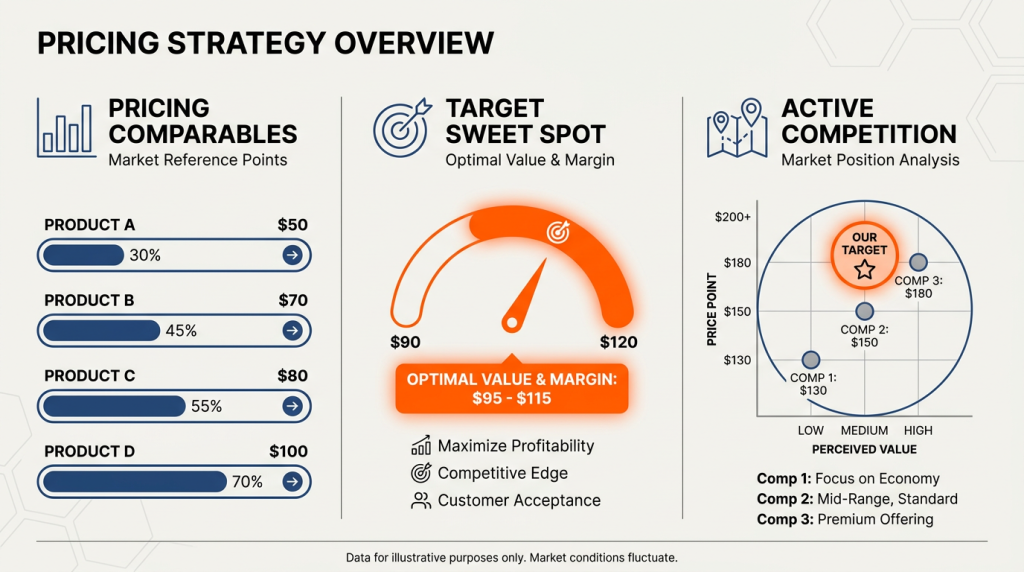
Smart pricing starts with cold, hard facts, not wishful thinking. Look at homes that actually sold in your neighbourhood over the past 90 days, then study what’s currently sitting on the market. When you price your home competitively at 1–3% below those stale listings, you create immediate urgency. Buyers notice the value difference and move faster to book showings before someone else acts quickly.
Price bands can make or break your showing count. A home listed at $751,000 might get overlooked by buyers searching up to $750,000, while $749,900 captures that entire buyer pool. Research shows that homes priced within 5% of market value receive 40% more showings in the first month. If your first two weeks pass without solid interest, don’t wait for the market to find you. Drop the price by $15,000–$20,000 to unlock fresh buyer segments and restart the momentum.
Your home’s exterior gets about 30 seconds to make or break a buyer’s interest. When you enhance curb appeal quickly with targeted improvements, you create that positive first impression that turns drive-bys into showings and showings into offers. Most of these changes can be completed in a weekend for under $500, giving you maximum impact for minimal investment.
Strategic staging transforms your home from a lived-in space into a buyer’s blank canvas. According to the National Association of Realtors, 83% of buyers’ agents say staging makes it easier for buyers to visualize the property as their future home. These professional home staging tips focus on three high-impact changes that help buyers envision their life in your space while moving through it naturally.
High-quality real estate photography makes the difference between a quick scroll and a saved listing. Shoot with wide-angle lenses to capture full rooms, keep your camera level to avoid tilted walls, and use natural daylight whenever possible to prevent orange or blue color casts. Turn on all lights and open blinds to create bright, welcoming spaces that feel larger than they are. These technical basics transform amateur snapshots into professional real estate photos that compete with agent listings.
Beyond technical quality, plan for 20 to 30 photos that tell your home’s complete story. Start with a stunning exterior shot, then move through your kitchen, living areas, primary bedroom, bathrooms, storage spaces, and any outdoor living areas. Each room should showcase its best angle and purpose. Pair your photos with a compelling, 70-character headline that reads clearly on mobile screens where most buyers browse. Remember, your photos are working 24/7 to attract showings while you sleep.
Virtual tours for home selling act like a 24/7 open house that separates serious buyers from casual browsers by letting people thoroughly explore your space before booking showings. When buyers can walk through your home digitally, they self-educate about layout, room sizes, and flow, which means only those who genuinely connect with your property will request appointments. Include room dimensions, clear flow between levels, and outdoor living areas so buyers can mentally place their furniture and visualize daily routines.
Embed your virtual tour everywhere buyers search — MLS®, REALTOR.ca®, and social media posts. This multiplies your exposure without scheduling extra showings or disrupting your family’s routine. The tour works while you sleep, answering layout questions and showcasing features that photos alone can’t capture. Smart buyers appreciate the transparency, and you save time by focusing on qualified prospects who’ve already fallen in love with your home online.
When you list on MLS®, your home automatically appears on REALTOR.ca® and dozens of brokerage websites where buyers spend their time searching. This distribution means one listing creates multiple touchpoints across the platforms buyers trust most. Think of it as planting your home in every garden where serious buyers are shopping, not just hoping they stumble across a single yard sign. With REALTOR.ca® receiving millions of monthly visits from active home buyers, this exposure puts your property directly in front of your target market.
Consistency across all these platforms builds buyer confidence and prevents drop-offs. Keep your photos, virtual tour links, room dimensions, and feature descriptions identical everywhere to avoid confusion that kills momentum. When you make updates like price adjustments or open house announcements, push them to all platforms the same day. Fresh changes re-trigger saved search alerts, bringing your listing back to the top of buyers’ inboxes and creating new opportunities for showings. ComFree’s seller support tools help you manage these updates efficiently across all platforms.
Traditional real estate commissions can cost sellers over $20,000 on an average home sale — money that could fund your children’s education or your next down payment. Flat-fee real estate listing advantages become clear when you realize you get identical MLS® and REALTOR.ca® exposure without the commission fees. Your listing appears in search results, reaches active buyers, and attracts agents representing purchasers just like any traditional listing. ComFree sellers save over $20,000 on average while keeping complete control of their equity.
Beyond the savings, you gain complete control over your timeline, pricing decisions, and showing schedule while still accessing professional support when you need it. Platforms like ComFree provide step-by-step guides, contract templates, and responsive customer service without the pressure to accept lowball offers or rushed decisions. This approach lets you move at your own pace, make informed choices, and respond quickly to market feedback — all while maintaining transparency about costs from day one.
When buyers reach out about your home, you have limited time to capture their attention before they move on to the next listing. In a slow market, responding to buyer inquiries fast can be the difference between a showing and a missed opportunity. Buyers often contact multiple sellers, and the first one to respond professionally usually gets the showing.
Buyers shop when their schedules allow, not when it’s convenient for you. Prioritize weekday evenings between 4–7 PM and weekend late-morning to early-afternoon slots when most serious buyers tour homes. These windows work for busy professionals and families managing work and school schedules. Accept short-notice requests whenever possible — a buyer calling at 2 PM for a 4 PM showing often means they’ve been pre-approved and are ready to move quickly.
Lower every barrier between interest and actual visits by installing a secure lockbox and providing clear entry instructions. Flexible showing schedules that accommodate buyer preferences can be your competitive edge in a slow market. Batch multiple showings within 2–3 hour windows to create natural social proof when buyers see others touring your home. This mild urgency can push fence-sitters toward faster decisions while minimizing disruption to your daily routine.
Smart negotiation strategies for sellers start before the first offer arrives. When you’re selling without an agent, preparation becomes your biggest advantage. You can move faster, respond with authority, and keep deals on track by knowing exactly what you’ll accept and what you’re willing to trade.
With ComFree’s seller support tools, you get contract templates and negotiation guidance that help you respond professionally and protect your interests throughout the process.
When you’re ready to move quickly, practical questions about timing, exposure, and process naturally come up. Here are clear answers to help you make confident decisions and avoid common delays.
Yes, flat-fee MLS® listings receive identical exposure to traditional listings. Your property appears on REALTOR.ca®, all major real estate websites, and in agent search systems. Buyers’ agents can show your home and earn their commission through the cooperation fee you offer (typically 2.5% paid at closing to the buyer’s agent).
If you receive fewer than 3 showings per week after 14 days, consider a price adjustment. Drop by $10,000–$25,000 to move into a new search bracket and re-trigger buyer alerts. Small adjustments rarely work — make meaningful changes that capture fresh buyer attention. ComFree’s seller resources include pricing tools to help you make data-driven decisions.
Buyer incentives work best when showings are strong but offers are weak. Consider covering legal fees, offering flexible closing dates, or including appliances rather than dropping price. These targeted incentives often cost less than price reductions while addressing specific buyer concerns.
In slower markets, expect 30–60 days for your first offer, compared to 14–30 days in balanced conditions. You can cut this timeline by pricing 2–3% below comparable listings, responding to inquiries within 20 minutes, and offering flexible showing times during peak buyer hours.
Use a secure electronic lockbox with timed access codes that expire after each showing. Require 2-hour advance notice, verify agent credentials, and install a simple security camera at your front door. Remove valuables and personal documents, and ask neighbours to watch for unusual activity. ComFree’s support team provides guidance on secure showing management and can help you establish safe protocols.
These ten strategies give you the roadmap to outpace your local market. Smart pricing, polished presentation, maximum exposure, and quick responses create the momentum buyers respond to. When you combine these tactics, with flexible showings and confident negotiation, you get offers faster even when the market feels slower.
The best part? You don’t need to sacrifice thousands in commissions to get results. Over 16,000 successful sales prove that commission-free home selling support delivers the same MLS® exposure with transparent pricing and expert guidance. The average seller saves over $20,000 while maintaining full control of their timeline and decisions.
Ready to start selling smarter? Get the step-by-step guides, contract templates, and 7-day expert support you need to list with confidence through ComFree.


With ComFree, it’s easy! Finally, a platform that connects buyers and sellers. Offering support and service every step of the way, we save you money and give you back control.
These forms are provided to ComFree’s Unrepresented Sellers as a part of their Mere Posting ComFree Listing Contract.
I acknowledge I can only access these forms as a ComFree customer under contract.
These forms are provided to ComFree’s Unrepresented Sellers as a part of their Mere Posting ComFree Listing Contract and in partnership with Zubic Law.
I acknowledge I can only access these forms as a ComFree customer under contract.
These forms are provided to ComFree’s Unrepresented Sellers as part of their Mere Posting ComFree Listing Contract and in partnership with Imperium LLP – Rocky Kim.
I acknowledge I can only access these forms as a ComFree customer under contract.

1. Purchase Your Package

2. We Ship Your ‘For Sale’ Sign

3. Book Your VR Tour

4. Complete Listing Input Forms

5. We Make Your Listing Live

6. Get Support 7 Days a Week

7. iSOLD!